For the first time since October 2025, the Manheim Used Vehicle Value Index — the benchmark for wholesale used-vehicle prices in the U.S. — posted a month-over-month decline in April 2026, falling 1.6% . That follows modest softening earlier in the year and marks a third consecutive month where the trend line has pointed downward for SUV buyers. Retail prices are following wholesale declines with the usual lag. Meanwhile, new-vehicle inventory continues to recover, giving buyers alternatives they didn’t have two years ago — and giving used-car sellers a reason to negotiate. Here’s what’s happening in the used-SUV market right now, and what it means if you’re shopping this month.
The Numbers: What “Cooling” Actually Looks Like
The headline data point is the Manheim Index decline: 1.6% month-over-month in April, the first monthly drop since October 2025 . Manheim tracks wholesale auction prices, which typically lead retail prices by four to six weeks. If the wholesale trend holds, retail used-SUV prices should soften further through late spring and early summer.
Retail data supports the direction. Used SUVs fell by 2.1% in January 2026 to an average of $23,043, with luxury SUVs dropping even more sharply — down $1,040 in the same month. While January is seasonally a soft month for car sales, the magnitude of the decline was larger than the previous year, when drops ranged from $350 to $600. CarFax Editor-in-Chief Patrick Olsen noted the contrast directly: “Although we saw price drops last January, they weren’t nearly as steep”.
Not every segment is moving at the same speed. Large SUVs are proving the most resilient, with three-year-old values down only 1% in recent data. Small and medium SUVs are softening faster — down 1.5% and 1.6% respectively . The compact and midsize crossovers that make up the bulk of family-SUV shopping lists are where buyers are gaining the most negotiating leverage right now.
What’s Behind the Cooldown
Three factors are converging to push used-SUV prices lower.
First, gas prices are changing buyer behavior. U.S. gas prices have risen above $4.50 per gallon, up 53% since the Middle East conflict escalated in late February . That’s pushing some buyers toward more fuel-efficient options — including used EVs, which saw a 7.2% year-over-year price increase in April while non-EV prices grew only 1.1% . Traditional combustion-engine SUVs, particularly larger ones, are seeing softer demand as buyers factor fuel costs into their purchase decisions more heavily.
Second, new-vehicle inventory is recovering. The supply-chain shortages that inflated used-car prices from 2021 through early 2025 have largely unwound. More new vehicles on dealer lots means more trade-ins, which means more used inventory — and more used inventory means lower prices. Cox Automotive reported that wholesale inventory improved slightly in April, with days of inventory increasing by 0.3 days to 25.2 . Conversion rates in the Manheim auction lanes were 63.7%, well above the three-year average, suggesting dealers are buying — but selectively .
Third, the seller’s market psychology is breaking. For two years, used-car sellers could price aggressively and wait for a buyer to show up. That’s no longer the case. AADA data from comparable markets shows the trend clearly: used cars are taking longer to sell, and “longer days to sell are now a clear trend, reflecting more price sensitivity among buyers” . The shift from a seller’s market to a more balanced one is gradual, but it’s underway.
Where the Softening Is Concentrated
Not every used SUV is losing value at the same rate. The data shows clear segmentation.
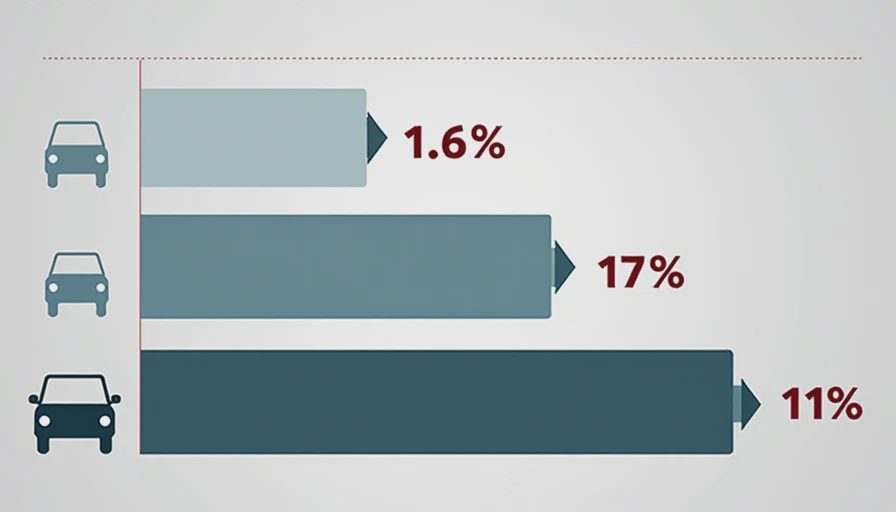
Mainstream compact and midsize SUVs are softening fastest. The small and medium SUV segments recorded declines of 1.5% and 1.6% respectively in recent weeks . Models with plentiful supply — particularly those coming off lease in large numbers — are seeing the most downward pressure on price. This is good news for family buyers shopping in the heart of the market: RAV4, CR-V, Rogue, Tucson, Sportage, and similar nameplates.
Large SUVs are holding firmer. Values for three-year-old large SUVs are down only 1%, making them the most resilient SUV subsegment . Lower supply and consistent demand from buyers who genuinely need three rows and towing capacity are keeping prices steadier here.
Luxury SUVs are a mixed picture. January data showed luxury SUV prices dropping by $1,040 in a single month . But that headline number masks wide variation. Some luxury models with strong brand equity — Toyota’s Lexus luxury division averages 47% retained value across its lineup — are holding better than others . The models depreciating fastest tend to share traits: high original MSRPs, high fuel consumption, and brand perceptions that don’t command premiums on the used market.
EVs are bucking the trend — for now. Used EV prices rose 7.2% year-over-year in April, driven by high gas prices pushing buyers toward electric alternatives . Cox Automotive Chief Economist Jeremy Robb noted that the three-year-old EV group has “outperformed non-EVs for five weeks in a row” . This is notable because EVs as a category depreciated sharply in 2024 and early 2025. The recent uptick is a gas-price story, not a structural shift — but it’s worth watching if you’re cross-shopping a used hybrid or EV SUV against a conventional gas model.
What This Means for Buyers Right Now
If you’re shopping for a used family SUV in May 2026, the market is tilting in your favor — modestly, not dramatically.
Negotiating leverage is real. With wholesale prices falling and days-to-sell increasing, dealers are more willing to negotiate than they were six months ago. This is especially true on compact and midsize SUVs where inventory is plentiful. If you see a vehicle that’s been sitting on the lot for 30-plus days, you have room to make an offer below asking price.
Timing matters less than it did. During the peak seller’s market, waiting a month could mean paying $1,000 more. Now, the opposite is true — prices are drifting lower month over month. If you don’t need a vehicle immediately, patience is likely to be rewarded through the summer.
Fuel economy is back as a value factor. With gas above $4.50, the fuel-efficiency rating of a used SUV directly affects what buyers are willing to pay — and what you’ll pay to own it. A used hybrid SUV that costs slightly more upfront may save enough on fuel to justify the premium within a year or two at current gas prices. Run the annual fuel cost math before you decide.
The best deals are in the middle of the market. Three- to five-year-old mainstream compact and midsize SUVs — the vehicles coming off lease in the largest numbers — are where supply is highest and price softening is most pronounced. If you’re flexible on brand and trim, this is where your dollar goes furthest.
The Bottom Line
The used-SUV market isn’t crashing. It’s normalizing — slowly, unevenly, and with plenty of variation by segment.
For family buyers, the practical takeaway is simple: prices are trending in your direction, and you have more negotiating room than you did last fall. The window isn’t urgent, but it is open. If you’re financing, keep an eye on interest rates as well — a lower purchase price partially offset by a higher APR can erase the savings if you’re not paying attention to both sides of the deal.
Don’t buy the market narrative. Buy the specific vehicle at the specific price that makes sense for your budget — and know that right now, that price is probably lower than it was three months ago.
Sources: Manheim Used Vehicle Value Index (April 2026), CarFax Used Car Index (January 2026), Cox Automotive/CDG News (May 2026), Cap Live/Fleet News UK (April 2026), NIADA Dashboard (January 2026), AADA/AutoGrab (December 2025).