
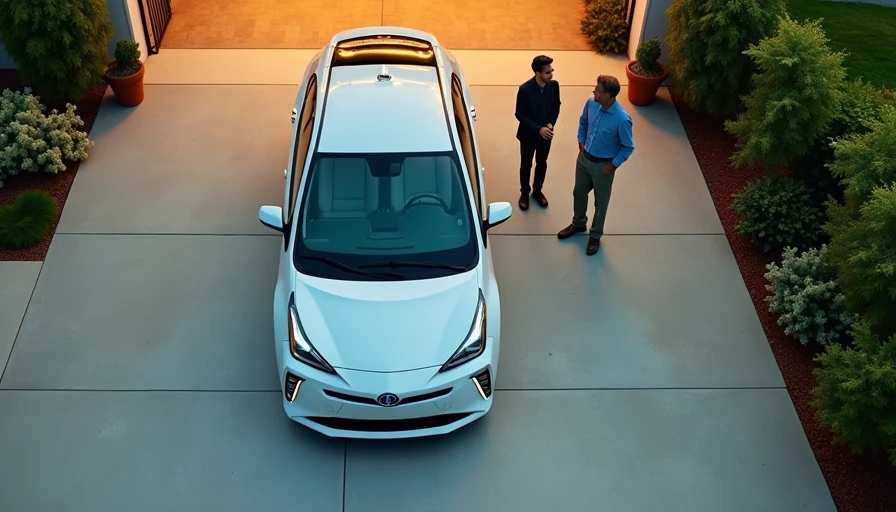
The 2025 Toyota Prius arrives with a sleek redesign, improved hybrid efficiency, and a starting price under $30,000. But is the Prius 2025 still the smart choice for cost-conscious commuters and families? The question isn't whether it's good — it's whether it makes sense for your real-world driving. Let's look at the numbers, the ownership costs, and the competition.
Real-World Fuel Economy and Range
Toyota claims the 2025 Prius gets up to 57 mpg in combined city/highway driving on the base LE trim. That's a big jump from the previous generation, which topped out around 52 mpg. On a 11.3-gallon tank, that works out to roughly 640 miles per fill-up — enough for most drivers to go two weeks without a gas station visit. In real-world driving, early owner reports suggest 52–55 mpg is more typical in mixed conditions, especially in colder climates. Still, that's class-leading. For a commuter driving 15,000 miles a year, the Prius 2025 could save around $600–$800 annually in fuel versus a typical 30 mpg compact car (assuming $3.50/gallon gas).
Pricing, Trims, and What You Actually Get
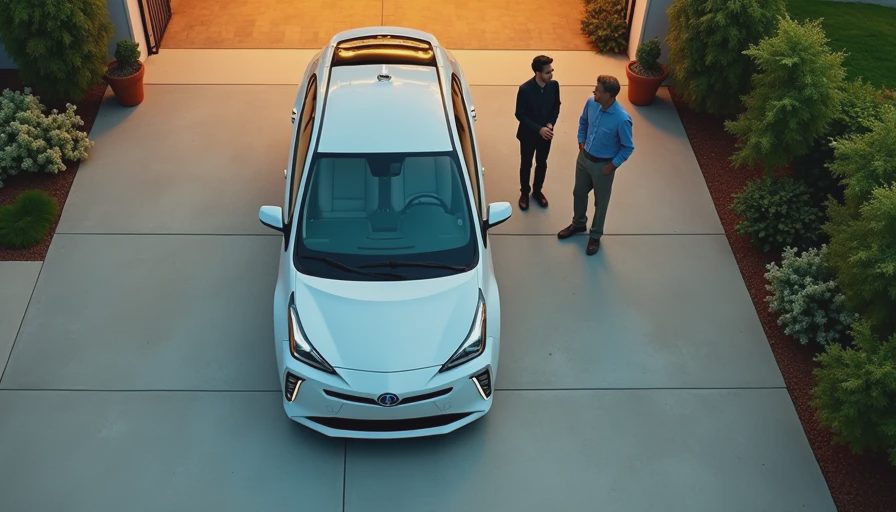
The 2025 Prius lineup starts at $29,450 for the LE, including destination. The mid-range XLE adds a larger 12.3-inch infotainment screen, wireless charging, and heated front seats for about $32,500. The top-tier Limited comes with a 10-inch heads-up display, JBL premium audio, and parking sensors for roughly $36,000. All trims use the same 2.0-liter four-cylinder hybrid system producing 194 horsepower. That's enough for a 0–60 mph time around 7.2 seconds — not fast, but adequate for merging. Notably, all-wheel drive is a $1,400 option on any trim and adds a rear electric motor for better traction. If you live in snow country, that's money well spent.
Interior Space and Daily Usability
The Prius 2025 has more rear legroom than the Honda Civic Hybrid, though the sloping roofline means tall passengers may brush their heads. Cargo space behind the rear seats is 20.3 cubic feet — enough for a stroller or a full grocery run. The rear seats fold 60/40, but there's a slight step in the load floor. The cabin materials are improved over the last generation, with soft-touch surfaces on the dash and door panels. Front seats are comfortable for long drives, though lateral support is minimal.
Safety and Driver Assistance
Standard on every Prius 2025 is Toyota Safety Sense 3.0, which includes adaptive cruise control, lane-keeping assist, automatic emergency braking with pedestrian detection, and blind-spot monitoring on XLE and Limited trims. The IIHS has not yet released its full evaluation, but the previous generation earned Top Safety Pick+ ratings, and the new platform is stiffer. Owners report that the adaptive cruise is smooth in stop-and-go traffic, though the lane-centering can be aggressive on narrow roads.

Resale Value and Depreciation
Historically, Toyota hybrids hold value better than most competitors. According to Kelley Blue Book data, a three-year-old Prius retains about 55–60% of its original MSRP. The Prius 2025 is expected to follow that pattern, especially given the strong demand for fuel-efficient cars. By comparison, the Hyundai Elantra Hybrid typically retains 50–55%, and the Honda Insight (discontinued) was around 52%. If you plan to sell or trade in after five years, the Prius likely saves you $1,500–$2,000 in depreciation versus rivals.
How It Stacks Up Against Rivals
The Prius 2025's main competitors are the Honda Civic Hybrid (est. 50 mpg, starting around $28,000), the Hyundai Elantra Hybrid (54 mpg, $27,000), and the Kia Niro (53 mpg, $27,500). The Prius offers better fuel economy and a more spacious cargo area than the Civic, but the Civic has a more upscale interior and sportier handling. The Elantra Hybrid provides a longer warranty (10-year/100,000-mile powertrain) but lags in rear seat space. The Niro is a compact crossover with more upright seating, but it's less efficient and has a base price slightly higher. For buyers prioritizing maximum MPG and Toyota reliability, the Prius 2025 is the logical choice.
The Bottom Line: Should You Buy a Prius 2025?
If you drive a lot of miles, want to minimize fuel costs, and plan to keep the car for five years or more, the Prius 2025 is a strong pick. It's not the most fun to drive, and the interior isn't luxury-grade, but it delivers on the practical promises that matter most: efficiency, reliability, and resale. The question isn't whether the Prius 2025 is good — it's whether it fits your specific needs. For most commuters and small families, the answer is yes. Skip the hype, buy the long-term fit.
Frequently Asked Questions about the Prius 2025
How does insurance cost compare? Insurance rates for the Prius 2025 are generally moderate. Geico and State Farm quote around $1,200–$1,500 per year for full coverage on a new Prius, which is about 15% lower than for a comparable Honda Civic due to the Prius's excellent safety ratings and lower claim costs. Check with your insurer for exact rates.
Are there any tax credits? The Prius 2025 may qualify for a federal tax credit of up to $4,500 depending on battery sourcing, but most trims currently do not because Toyota passed the phase-out threshold. Some states like California offer additional rebates of $1,000–$2,000. Consult the IRS and your state's clean vehicle program for current eligibility.
How does it handle in winter? The available all-wheel-drive system adds confidence on snow and ice. The Prius 2025 AWD uses a rear electric motor to provide extra traction, and it only engages when needed, so fuel economy drops only slightly (about 3–5 mpg). Winter tires are still recommended for severe conditions.
Is the battery reliable long-term? Toyota offers a 10-year/150,000-mile warranty on the hybrid battery. Many Prius owners report the battery lasting well over 200,000 miles with normal maintenance. Replacement cost out of warranty is around $2,000–$3,000 installed, but it's rare to need it before 15 years.