What the 2026 IIHS Test Results Actually Show
The 2026 IIHS standards raised the bar in two ways that directly affect family vehicles. First, the moderate overlap front test — which simulates two vehicles colliding at roughly 40 mph each — now requires a Good rating where Acceptable was sufficient in previous years. Second, the test places a smaller dummy in the rear seat, specifically measuring forces on a child or small adult occupant.
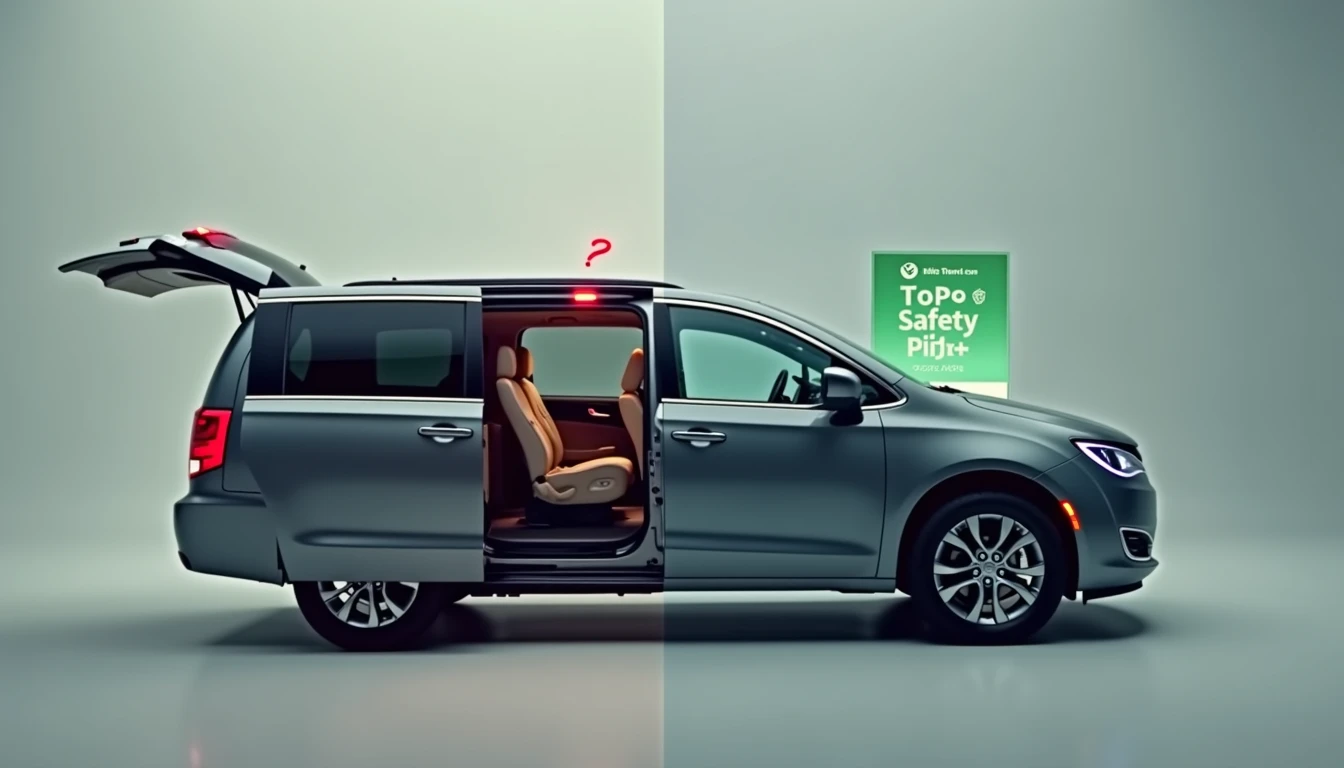
Minivans failed to clear this higher bar. The IIHS noted that the segment struggles with rear-seat restraint systems that allow excessive forward movement during a collision, increasing head and neck injury risk for passengers in the second and third rows. These are the rows where children typically sit.
The result: 63 vehicles earned IIHS honors in 2026, 15 more than at the same point in 2025 — and none of them are minivans.
Why Minivans Struggled
The engineering challenge is structural. Minivans prioritize interior volume — low, flat floors, sliding doors, and deep cargo wells — which creates packaging constraints for the kind of reinforced side structures and seat-anchoring systems that perform best in the updated moderate overlap test. SUVs, with their taller ride height and more flexible chassis architecture, have been quicker to adapt to the stricter protocol.
This doesn’t mean minivans are suddenly death traps. Many still perform adequately in other crash scenarios. But the specific test that most closely replicates a real-world family collision — two vehicles hitting offset at speed — now exposes weaknesses in rear-seat protection that didn’t register under the older, less demanding evaluation.
Which SUVs Actually Protect the Back Seat
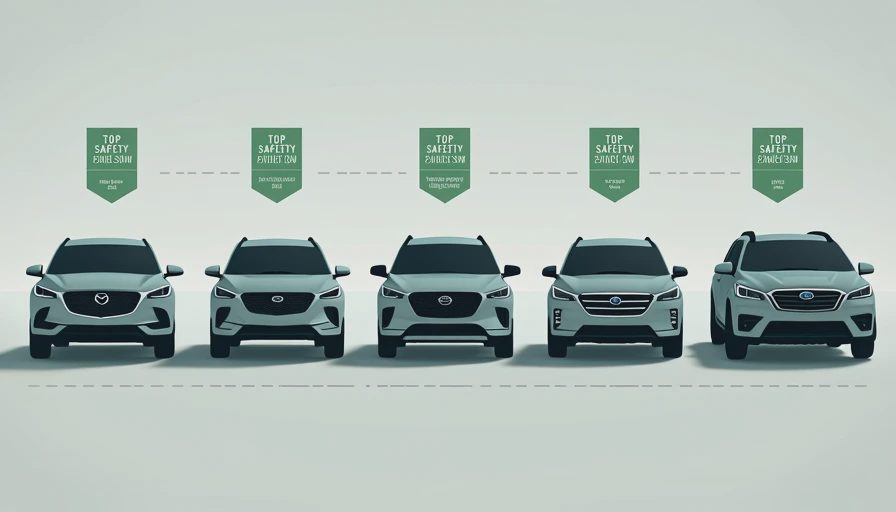
If the minivan is off the table for safety-conscious buyers, the question becomes: which three-row SUVs deliver both crash protection and usable passenger space?
Based on IIHS 2026 award data, several models stand out:
Mazda CX-90 (Top Safety Pick+)
The CX-90 achieved perfect Good ratings across all three major crash tests — small overlap front, moderate overlap front, and side — making it the most comprehensively tested three-row SUV in its class. It also earned a 5-Star NHTSA rating. Pricing starts around $40,330. For families who want the strongest published safety data available right now, the CX-90 is the benchmark.
Hyundai Santa Fe (Top Safety Pick+)
The redesigned Santa Fe earned Top Safety Pick+ for 2026. It seats up to seven and offers a hybrid variant that delivers strong fuel economy alongside the crash protection. It’s a practical pick for families who don’t need the maximum third-row space of a full-size SUV.
Kia Sorento (Top Safety Pick+)
Joining the Santa Fe on the TSP+ list, the Sorento offers similar mechanical underpinnings with different styling and trim packaging. It’s worth cross-shopping against the Santa Fe for incentive and feature availability in your region.
Nissan Pathfinder and Subaru Ascent (Top Safety Pick)
Both earned the Top Safety Pick designation, meaning they cleared the crash tests with Good ratings but may not meet the stricter crash-prevention standards required for the Plus tier. They’re worth considering if TSP+ models are out of budget or unavailable in your area.
Rivian R1S and Volvo EX90 (Top Safety Pick+)
For families with larger budgets, these two electric SUVs earned the highest IIHS honor:
• The Rivian R1S starts around $75,900 and is the only American-built large SUV to earn the TSP+ rating in 2026.
• The Volvo EX90 starts around $78,090 and includes Volvo’s lidar-based safety technology.
What About the Highlander and Pilot?
If you’re cross-shopping the Toyota Highlander or Honda Pilot — two of the best-selling three-row SUVs in America — the 2026 IIHS data requires additional scrutiny.
The Highlander posted a Marginal rating for rear-passenger protection in the moderate overlap test, the second-lowest score on the IIHS scale. The Pilot managed only Acceptable in the same test. Neither qualified for any IIHS award this year. Both vehicles perform well in other crash tests, but the moderate overlap result is a published, verifiable data point that matters specifically for families who put children in the back seat.
Three Questions to Ask Before Switching from Minivan to SUV
1. Will the third row actually fit your family?
Many three-row SUVs have third rows designed for occasional use by children, not daily use by adults. The CX-90, Pathfinder, and Ascent offer more usable third-row space than the Santa Fe and Sorento, but none matches the interior volume of a minivan. If you regularly carry six or seven passengers, test the third row with the people who’ll sit there before you commit.
2. Are you giving up features you rely on?
Sliding doors, low load floors, and deep cargo wells are minivan advantages that SUVs don’t replicate. If a family member has mobility limitations, or if you routinely load heavy items into the cargo area, the minivan’s practicality advantages may outweigh the IIHS data — provided you understand the safety trade-off.
3. What does the used market look like?
If you’re considering a used minivan, check whether the model year you’re looking at was tested under the older or newer protocol. Older IIHS ratings don’t necessarily reflect the stricter 2026 standards. When in doubt, look for vehicles that earned TSP or TSP+ under the current testing regime.
The Bottom Line
The 2026 IIHS results don’t mean minivans are unsafe in absolute terms. They mean minivans failed to meet a higher standard that 63 other vehicles cleared — including many SUVs with comparable passenger capacity.
For family buyers, the practical takeaway is straightforward: if rear-seat crash protection is a top priority, the data points toward SUVs, not minivans, for the 2026 model year. The CX-90, Santa Fe, Sorento, Pathfinder, and Ascent are the most affordable three-row models with verified IIHS awards. If budget allows, the Rivian R1S and Volvo EX90 offer the highest level of verified protection in the large SUV segment.
The question isn’t whether your current minivan is dangerous. It’s whether, at the moment you’re shopping for a new family vehicle, you want to buy into a segment that the IIHS just said needs to do better.