The Toyota Rav4 has been a fixture in the compact SUV segment for decades, and for good reason. It consistently delivers a blend of fuel efficiency, reliability, and resale value that few rivals can match. But with newer competitors like the Honda CR-V and Hyundai Tucson raising the bar, does the Rav4 still make sense for practical car shoppers in 2025? Let’s break down the numbers and real-world ownership factors to see if this SUV is worth your money.
Real-World Fuel Economy: Hybrid vs. Gas
If you spend any time commuting or road-tripping, fuel cost is likely a top concern. The Rav4 offers two powertrains: a 2.5-liter four-cylinder gas engine (203 hp) and a hybrid version that pairs that engine with electric motors for a combined 219 hp. The EPA rates the gas model at 27 city / 35 highway mpg, while the hybrid jumps to 41 city / 38 highway. In real-world testing, owners often see the hybrid hit 38–40 mpg combined, which can save you hundreds of dollars annually compared to the gas version. The payoff timeline is realistic: if you drive 15,000 miles per year and gas averages $3.50 per gallon, the hybrid saves about $480 per year. That means the roughly $2,500 hybrid premium is recouped in about five years—so if you plan to keep the car that long, it’s a solid investment.
The question isn’t whether the Rav4 gets decent fuel economy—it does. The real question is whether the hybrid is worth the upfront cost for your specific driving pattern. For highway-heavy drivers, the gap narrows; for city dwellers, the hybrid shines.
Resale Value: Depreciation That Works for You
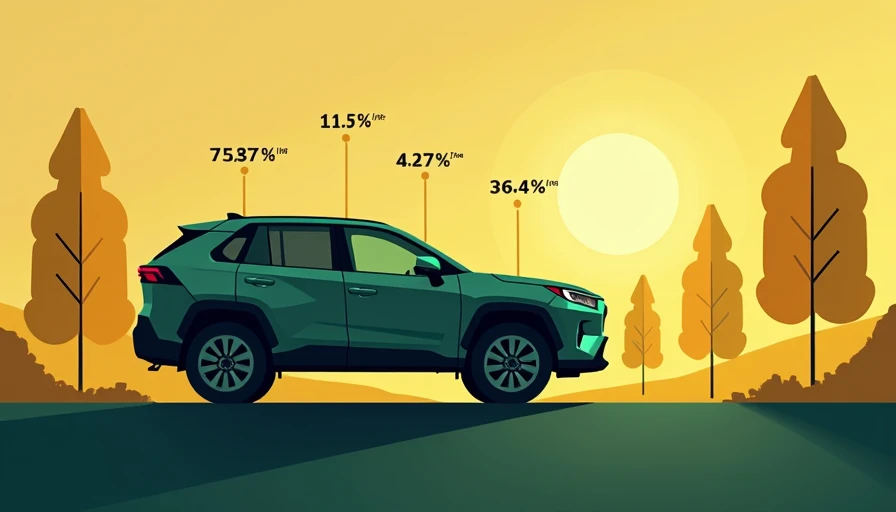
One of the strongest arguments for the Rav4 is its exceptional resale value. According to Kelley Blue Book, the Rav4 routinely ranks among the top compact SUVs for retained value after five years, often holding around 55–60% of its original MSRP. That’s better than most competitors, including the Ford Escape (around 48%) and the Nissan Rogue (45%). For a car that starts around $29,000, that difference can mean thousands more in your pocket when you sell or trade in.
The hybrid model tends to hold value even better because of higher demand and the perception of long-term cost savings. If you’re the type of buyer who keeps a car three to five years, the Rav4’s depreciation curve is one of the flattest in the segment. This alone can make the Rav4 cheaper over time than a lower-priced rival that depreciates faster.
Safety Ratings: How It Protects Your Family
The Rav4 has consistently earned top marks from both the IIHS (Top Safety Pick+) and NHTSA (five stars overall) in recent model years. Standard safety features include Toyota Safety Sense 2.5—a suite that bundles automatic emergency braking, lane-departure warning, adaptive cruise control, and road-sign assist. Blind-spot monitoring and rear cross-traffic alert are standard on most trims. These features aren’t just marketing points; they translate to fewer accidents and lower insurance premiums over time.
Where the Rav4 lags slightly is in headlight performance on lower trims—the base halogen lamps earn a marginal rating from IIHS, while higher trims with LEDs score good. If safety is your top priority, spending a bit more for a trim with LED headlights is worth it.

Interior and Cargo Practicality
The Rav4’s cabin is functional but not luxurious. You get durable materials, a straightforward layout, and a decent 8-inch touchscreen (standard on most trims). Cargo space is competitive: 37.6 cubic feet behind the rear seats and 69.8 with them folded. That’s enough for a stroller, groceries, and a weekend’s luggage. The CR-V offers a bit more rear legroom and a clever cargo shelf, but the Rav4 counters with a standard 60/40 split seat and optional hands-free power liftgate.
One common complaint is road noise at highway speeds—the cabin isn’t as hushed as the Mazda CX-5 or the Honda CR-V. If long highway trips are a daily reality, an extended test drive is a must.
How It Stacks Up Against the Competition
The Rav4’s biggest rivals are the Honda CR-V, Hyundai Tucson, and Mazda CX-5. The CR-V matches the Rav4 on space and fuel economy but tends to cost more for similar features. The Tucson offers a longer warranty and a more modern interior, but its resale value trails the Toyota. The CX-5 drives better but trades cargo room and fuel economy. The bottom line: the Rav4 is the safe bet—not the most exciting, but the one that will likely cost you less over five years of ownership.
Verdict: Does the Rav4 Still Make Sense?
If you value low ownership costs, strong resale, and proven reliability, the Rav4 is still one of the smartest compact SUVs you can buy. The hybrid model is worth the premium for drivers who do a lot of city driving or plan to keep the car beyond five years. If you prioritize driving dynamics or a quieter interior, you might prefer the CX-5 or CR-V. But for the practical shopper who cares about total cost of ownership, the Rav4 remains a top pick.
Don’t buy the hype—buy what fits your real-world needs. The Rav4 does that better than most.